Guide
Texas Tenant Rights After an Eviction
What Texas landlords can and can't do after an eviction — writs of possession, belongings, appeals, and where to get help.
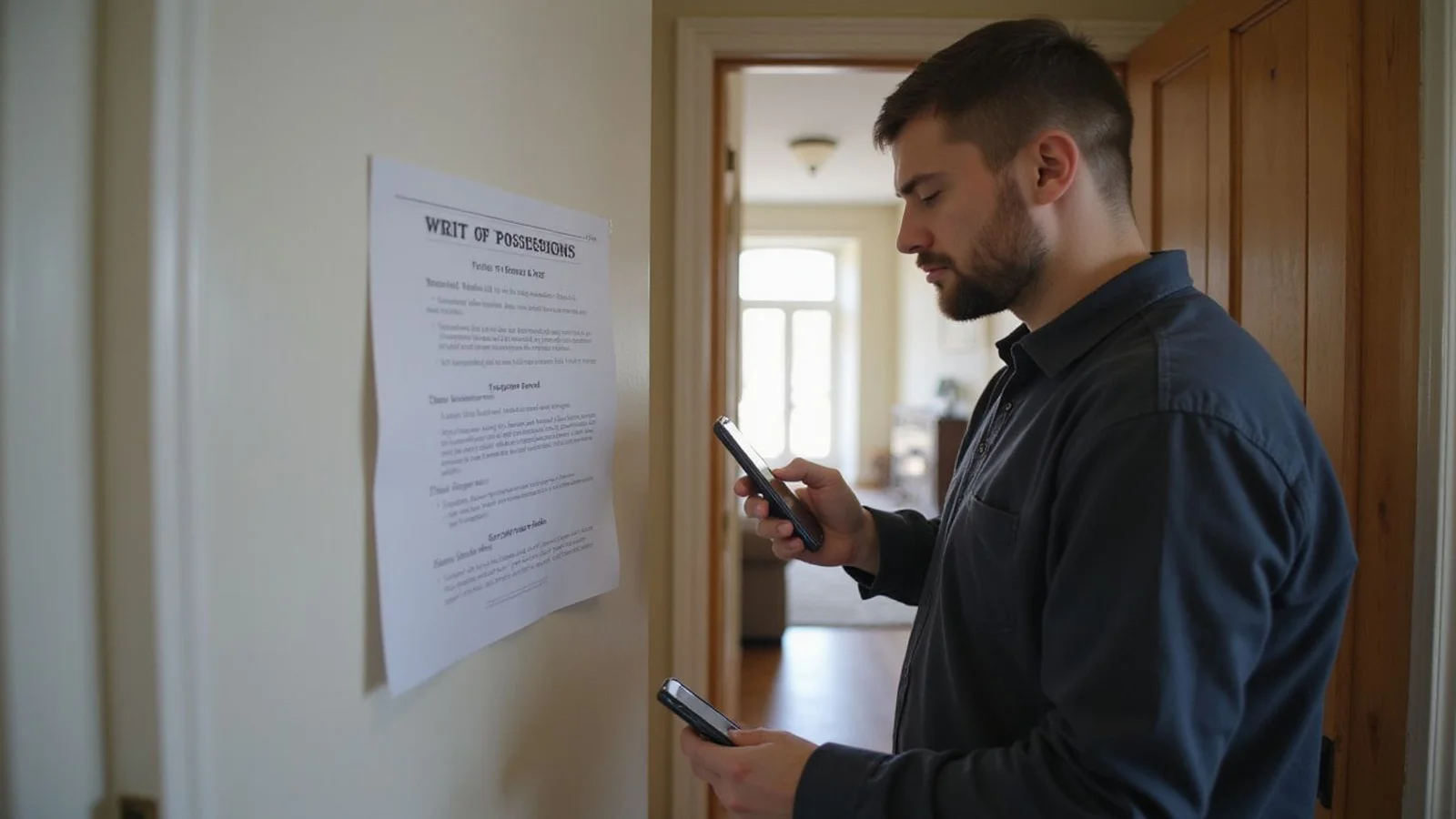
Even after an eviction judgment, Texas tenants have specific legal rights. Understanding them protects you from illegal landlord actions and helps you plan the next steps. This guide covers what landlords can and can’t legally do after an eviction.
The writ of possession requirement
In Texas, a landlord cannot legally remove you from a rental unit without a writ of possession issued by the JP court. The process:
- Landlord obtains eviction judgment (or defaults if you don’t appear)
- Landlord waits the required period (typically 5 days for appeal window)
- Landlord requests writ of possession from the court
- Constable executes the writ — physically ensuring you vacate
- Landlord regains possession
Any lockout, lock change, or forced removal before this process is a self-help eviction — illegal under Texas Property Code.
What landlords CANNOT do
- Change locks without a writ
- Remove belongings without a writ
- Cut off utilities to force you out
- Post threats or harassment notices
- Physically threaten or block access
- Refuse a lease violation cure that the lease allows
- Discriminate on Fair Housing protected classes
If any of these happen, contact a legal aid organization immediately. Texas Legal Services Center: 855-270-7655.
What landlords CAN legally do
- File an eviction suit at JP court
- Serve notice to vacate
- Obtain a judgment (default or contested)
- Request a writ of possession after the appeal window
- Retain security deposit for lease-related damages
- Report the eviction to tenant screening databases
- Sue for unpaid rent and damages separately
Your belongings after eviction
Once the constable executes the writ, the landlord may set your belongings outside or arrange their removal. Under Texas law, landlords must give you a reasonable opportunity to retrieve your belongings from the property.
Specific requirements:
- Notice of the intent to dispose of abandoned belongings
- Reasonable period to retrieve
- After the period, the landlord may dispose of remaining items
If your belongings were removed or destroyed without proper notice, you may have a claim. Consult legal aid.
Appeal rights
You have 5 days after the judgment to file an appeal. To appeal:
- File the appeal at the JP court
- Post an appeal bond OR pauper’s affidavit
- Under SB 38, begin depositing ongoing rent into the court registry
- Case moves to County Court at Law for de novo review
Appeals reset the case — evidence is heard fresh. But the registry rent requirement makes appeals expensive.
Security deposit rights
Under Texas Property Code § 92.101:
- Landlord must return security deposit within 30 days of tenancy end
- Landlord must provide itemized deductions if any is withheld
- Failure to return or itemize may entitle you to 3x the deposit amount plus $100 plus attorney fees
Provide forwarding address in writing when you vacate.

Retaliation protections
Texas Property Code § 92.331 prohibits landlord retaliation for exercising tenant rights — reporting code violations, joining tenant organizations, or exercising other legal rights. If you’re evicted shortly after reporting a maintenance issue or joining BASTA in Austin, retaliation may be a defense.
Where to get help
Texas tenant rights are best enforced through legal aid organizations rather than self-representation:
- Texas Legal Services Center: 855-270-7655 (statewide hotline)
- Texas RioGrande Legal Aid: multiple offices in South Texas
- Lone Star Legal Aid: Houston, DFW, East Texas
- BASTA (Austin): Building and Strengthening Tenant Action
- Texas Low Income Housing Information Service: statewide policy resource
Documentation to preserve
If you’re facing eviction or just went through one, preserve:
- All lease documents
- All notices from landlord
- All correspondence (email, text, physical mail)
- Photos of the unit condition at move-in and move-out
- Receipts for repairs or improvements
- Any evidence of retaliation
Legal aid can use this documentation to defend or pursue claims.
After the writ
You’ve been evicted. Now:
- Retrieve any belongings within the notice period
- Provide forwarding address in writing
- Request itemized deposit accounting
- Consider whether to appeal (5-day window)
- Start planning next housing
For the next housing search, see our home page — free licensed apartment locating for renters with evictions.
This guide is not legal advice. For legal help with your specific eviction, contact a Texas legal aid organization.
Frequently Asked Questions
Can a landlord lock me out without a court order?
+
What happens to my belongings after eviction?
+
Can I appeal an eviction judgment?
+
Related Guides
10 Mistakes Renters With Evictions Make on Applications (And How to Avoid Them)
The 10 costly mistakes renters with evictions make when applying — and exactly how to avoid each and stop wasting fees.
Can You Be Denied Housing for a Dismissed Eviction in Texas?
Why dismissed filings still appear and get renters denied — and how to prove the dismissal to leasing offices.
Can You Get an Eviction Expunged in Texas? (2026 Update)
Texas has no way to seal or expunge an eviction. HB 2909 died in committee. Why it's permanent and what to do instead.
How Eviction Records Work in Texas: Court Records vs. Screening Reports vs. Credit Reports
The three record systems untangled: JP court records (permanent), screening reports (7-year FCRA), credit reports (debt only).